What teenagers bring home from camp — beyond English
Parents who send their child to Speak Teens are thinking about English fluency. What they often do not expect is everything else: the confidence, the independence, the friendships and the shift in how their teenager relates to the world beyond Italy's borders.
This guide looks at the personal growth outcomes that families report most consistently, and explains why eight days at Valbonella produces changes that persist long after camp ends.
Confidence in uncertainty
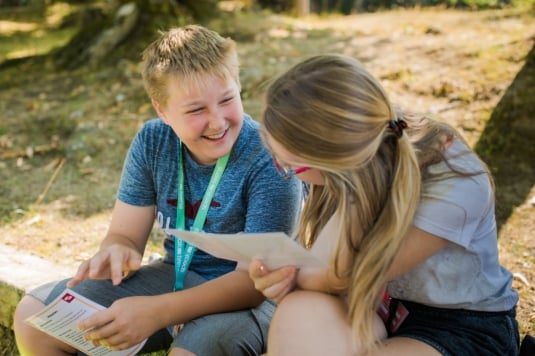
The camp environment places teenagers in a situation they cannot fully control: a new place, new people, a different language for every interaction. That is precisely the point. Navigating genuine uncertainty — successfully, with support but without excessive scaffolding — builds a kind of confidence that is difficult to manufacture in any other way.
By day three, most students have stopped worrying about whether they are using English correctly and started using it because it is the only way to get things done. That shift from anxiety to agency is one of the most reliable outcomes we observe at camp.
Independence and self-reliance
For many students, camp is their first extended time away from home. Managing their own sleep schedule, meals, belongings and emotions in a new environment — without parents to refer to — builds a practical independence that families notice immediately on return.
The phone policy supports this process. Phones are collected each morning and returned between 18:45 and 19:45. That hour of contact is enough to stay connected; the rest of the day, students are present to the experience rather than processing it through a screen.
Cross-cultural fluency
Living alongside native-speaking teenagers from the UK, Ireland, USA, Canada and Australia for eight days is an education in itself. Students learn, often for the first time, that people their age in other countries have fundamentally different assumptions about humour, directness, independence and social interaction.
This exposure does not create confusion — it creates curiosity. Students return home more interested in the wider world, more comfortable with cultural difference and more confident in their ability to navigate it.
Friendships that last
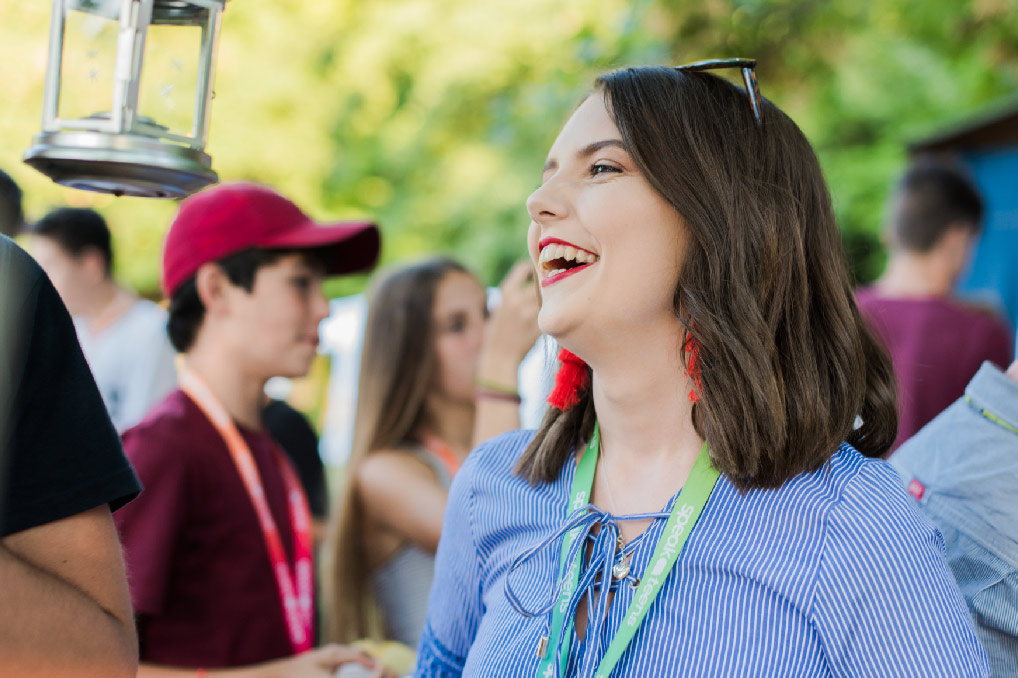
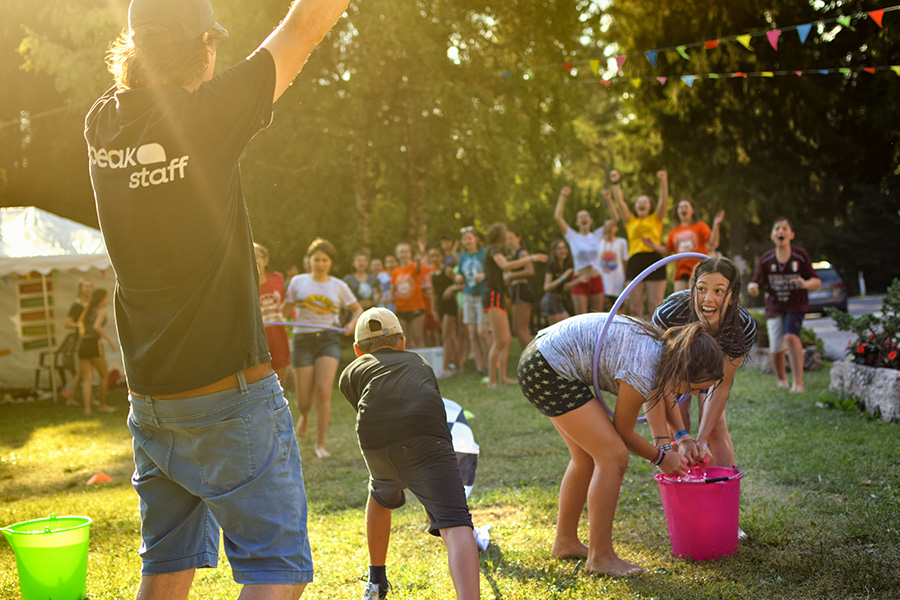
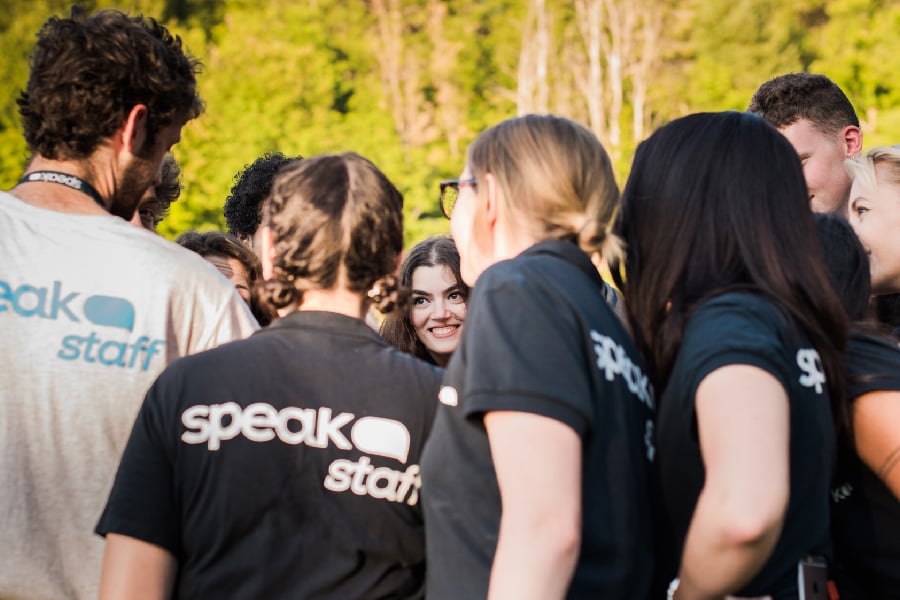
The friendships students form at camp — with Teen Anglos and with other Italian students — are a consistent feature of the feedback we receive. Something about the intensity of a shared week in a new environment, speaking a different language, accelerates the formation of genuine connection.
Many students stay in contact with their Teen Anglos long after camp ends. Some visit. The friendships are real because the context that generated them was real: not a classroom exercise, but eight days of shared experience.
Resilience and emotional regulation
Camp is not without its difficult moments. Homesickness, frustration with communication, fatigue from sustained social interaction in a second language — these are real challenges for most students at some point during the week. Working through them, with welfare staff and Teen Anglos alongside, builds resilience in a way that protected environments cannot.
The welfare team is trained to support students through difficulty without resolving it for them. The goal is not to remove discomfort but to help students develop the capacity to manage it themselves.
Eight days. A change that lasts.
The personal growth outcomes parents describe are not incidental. They are the product of an environment specifically designed to place teenagers in authentic, challenging, supported situations — and to give them the tools and the relationships to navigate those situations successfully.
Language learning is the vehicle. Personal growth is what happens along the way.
What we see by the final day
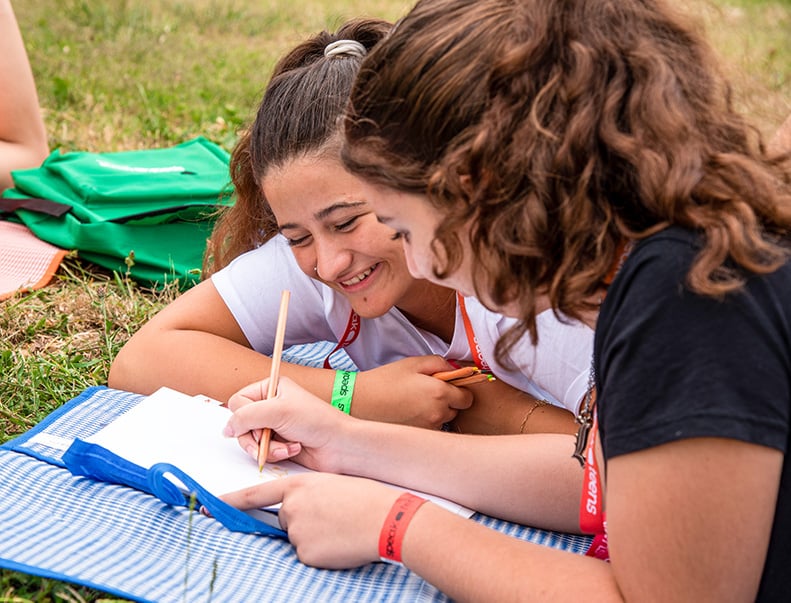
By the last day of camp, most students are noticeably more at ease with English — but that is not the most striking change. The most striking change is in how they carry themselves: more willing to try things, more comfortable with not knowing, more open to people who are different from them.
Two camps run in summer 2027: Camp 1 (3–10 July) and Camp 2 (10–17 July), at Valbonella in the Emilia-Romagna Apennines. Ages 10–17. Places are limited.